
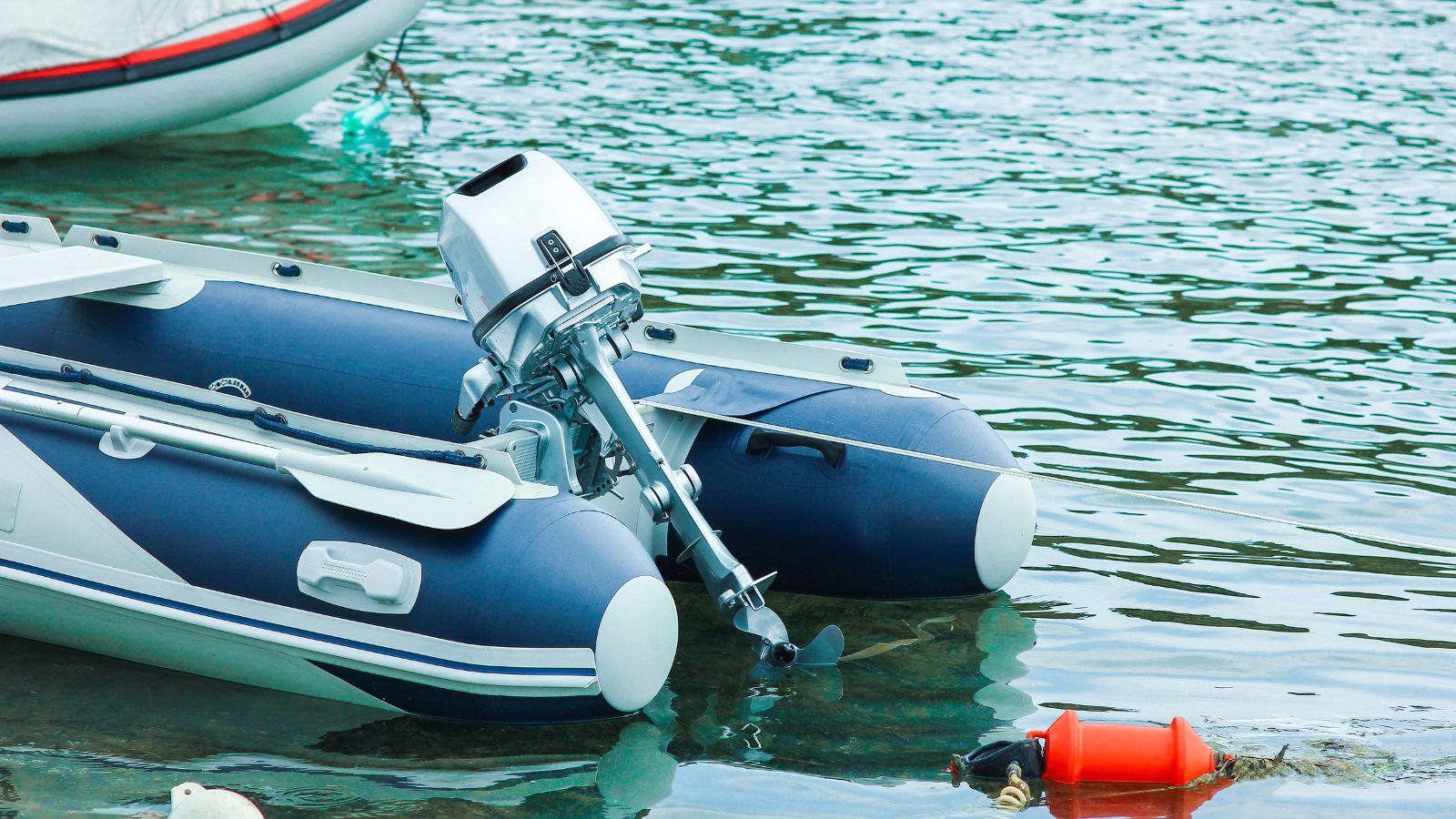
For a trolling motor, high power is not the only priority, and there are a lot more to consider when finding the perfect partner for your boat and your fishing. Too little thrust, and you’ll fight wind and currents all day. Too much, and you’re wasting battery life, money, and potentially even harming your boat’s transom. Let’s break down this critical decision into a simple, three-minute guide.
The Foundation: Calculating Thrust Based on Boat Size & Weight
Thrust is measured in pounds (lbs), and it’s the pushing force of your motor. The single biggest factor in determining needed thrust is the total weight you need to move. This isn’t just your boat’s hull weight.
Start with the “2 lbs of thrust per 100 lbs of weight” rule. This is your baseline for calm conditions on a small to medium-sized boat. To use it, you must calculate your fully loaded fishing weight:
Boat Hull Weight: Check the manufacturer’s spec.
Motor Weight: Add the weight of your main outboard.
Gear & Battery Weight: Trolling motors, batteries, tackle boxes, rods, and all your equipment.
Passenger Weight: Don’t forget the people on board!
For example, a 16-foot aluminum bass boat (900 lbs hull) + outboard (150 lbs) + gear & batteries (200 lbs) + two anglers (400 lbs) = 1,650 lbs total. Using our rule (1,650 / 100 = 16.5, x 2 = 33 lbs of thrust), a 55 lb thrust motor would be more than sufficient, offering a strong reserve.
Now, let’s adjust this baseline for real-world conditions:
Small Boats (Kayaks, Canoes, Jon Boats under 14ft): 30-40 lbs of thrust is often adequate. These are lightweight and easily pushed.
Medium Boats (Bass Boats, Small Aluminum Vessels 14-18ft): This is the sweet spot for 55-80 lb thrust motors. They provide excellent control and ample power for most freshwater scenarios.
Large Boats (Deep-V Walleye Boats, Saltwater Bay Boats 18-22ft): Here, we enter the 80-112+ lb thrust range. The increased weight and potential for wind/waves demand serious power.
However, if you frequently fish in heavy wind, strong currents (like river systems), or saltwater, always add at least 10-20% more thrust.
Fine-Tuning for Your Fishing Style
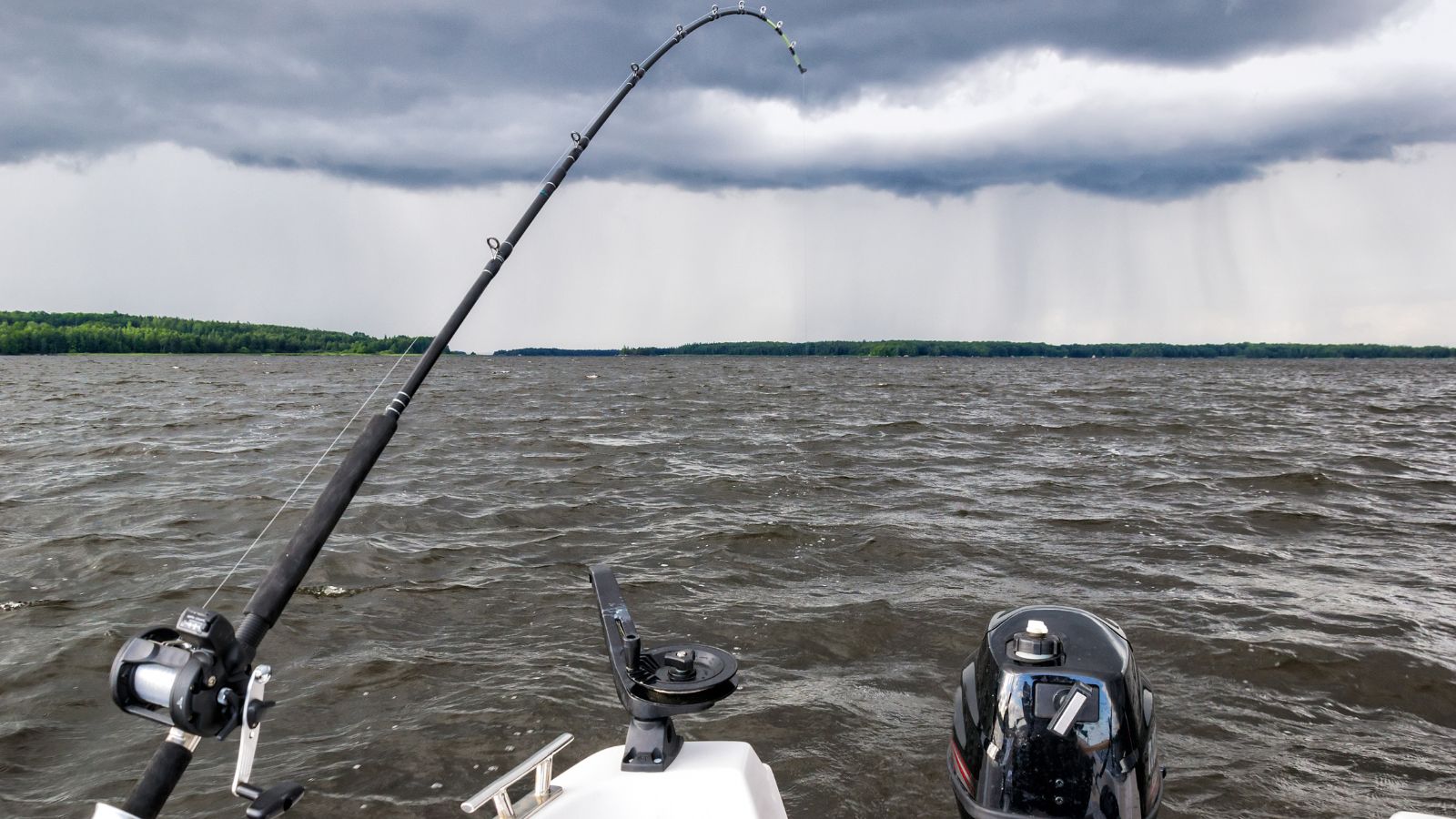
Once you have your weight-based thrust range, it’s time to refine your choice based on how you fish. Your style dictates not just power, but also battery life and features.
The Spot-Lock Angler: If you live by your GPS anchor (Spot-Lock, Point One, etc.), especially in open water or current, err on the side of more thrust. These systems constantly fight to hold position. A 80 lb motor on an 18-foot boat will work much harder and drain batteries faster than a 112 lb motor doing the same job effortlessly. The higher-thrust motor will run at a lower power setting, conserving energy and providing rock-solid holds.
The Shoreline Hunter: For the bass angler working docks, reed lines, or steep banks, maneuverability and quiet operation are key. You might be in a medium-sized boat but spend most of your time on low to medium power. Here, a motor in the middle or even lower end of your calculated thrust range can be perfect. It keeps the system lighter, less expensive, and the lower power settings will be smooth. Focus on a motor with precise speed control and a quiet drive.
The Power-Sensitive Troller: If your primary technique is pulling crankbaits or spinnerbaits at a steady, slow speed for miles, battery runtime is the most important quality. Choosing a 24-volt (or even 36-volt) system within your thrust range is crucial. While a 55 lb thrust motor might move your boat, a 80 lb 24V system will do it while drawing fewer amps at your trolling speed, dramatically extending your day. Don’t under-power and run at max; it’s a battery killer.
The conclusion is simple. First, do the math on your boat’s fully loaded weight to establish a thrust range. Second, honestly assess your primary fishing style to fine-tune within that range—opting for more power for holding or big water, and prioritizing voltage/runtime for endurance trolling. By matching thrust to both your vessel and your passion, you invest not just in a motor, but in more control, longer days, and ultimately, more fish.
 Spanish
  English
  Portuguese
  Greek
Greek  French
  Italian
  German
  Russian
  Turkish
  Thai
Thai  Hebrew
  Korean
  Dutch
Dutch